Nepal is highly vulnerable to natural disasters, disease outbreaks and other public health emergencies. Further, the diverse geography, climatic conditions and underlying socioeconomic vulnerabilities require strong preparedness, readiness and timely response to protect lives and sustaining essential health services.
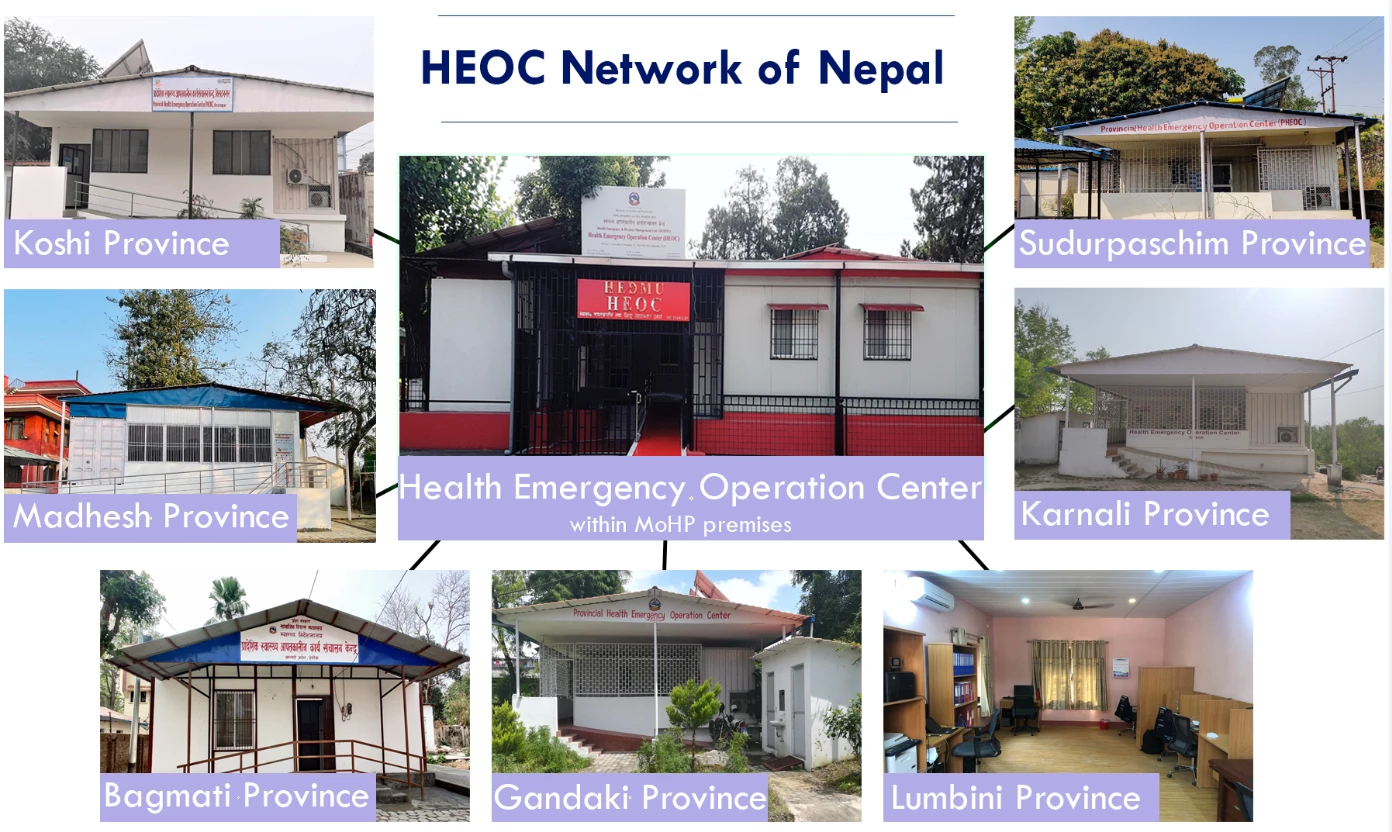
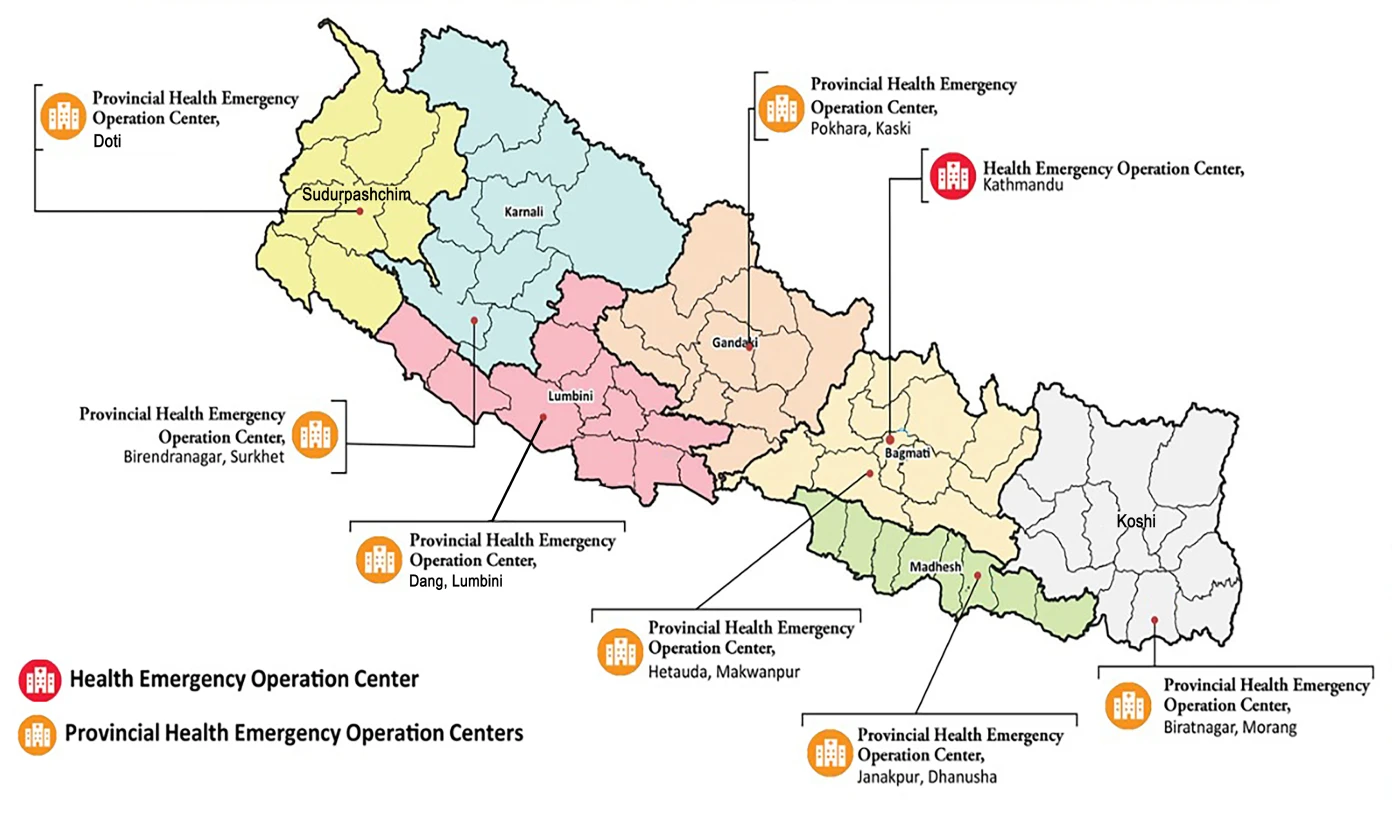
The establishment of the Health Emergency Operation Centre (HEOC) in 2014, and its institutional strengthening under the Health Emergency and Disaster Management Unit (HEDMU) in 2018, marked an important step in strengthening Nepal’s health emergency management capacity. Today, HEDMU/HEOC serves as a key coordination and operational platform within the Ministry of Health and Food Safety, working closely with the NEOC, NDRRMA, security agencies, provincial and local governments, PHEOCs, hub and satellite hospitals, health facilities and partners.
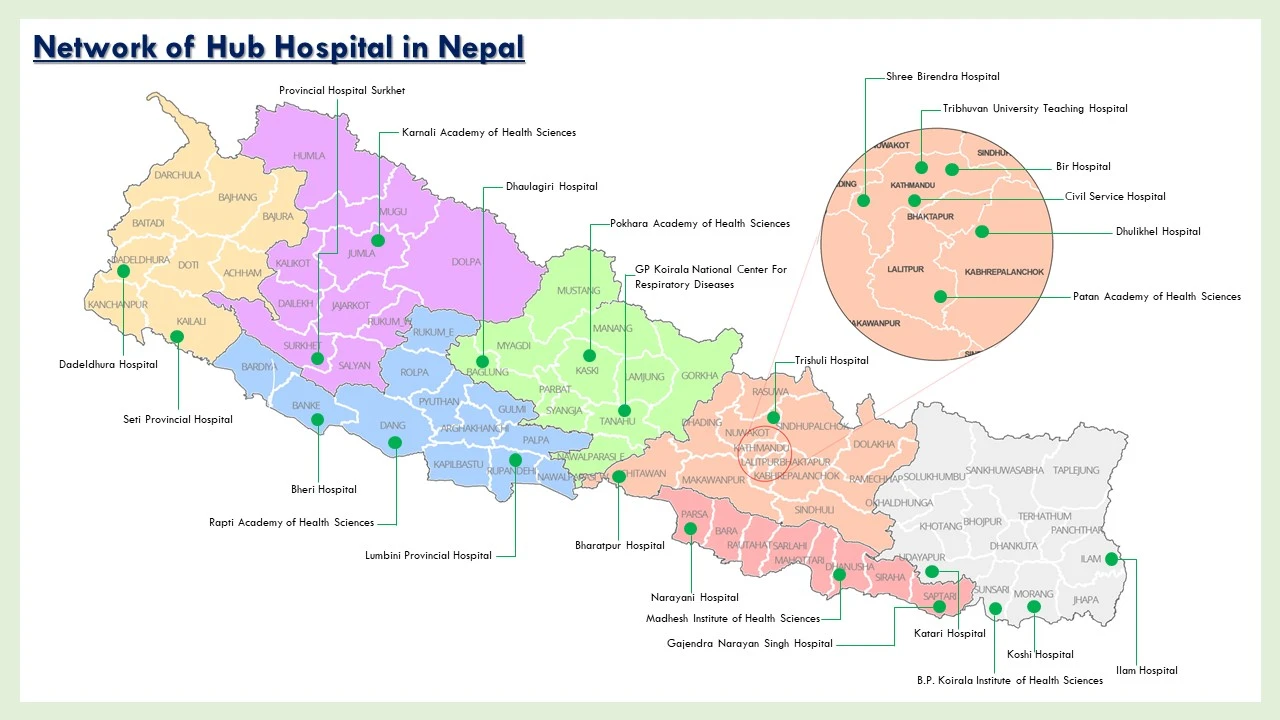
Over the years, Nepal has strengthened important components of its health emergency architecture, including Incident Command System arrangements, RRTs and EMTs, hub and satellite hospital networks, hospital disaster preparedness, pre-hospital and ambulance services, emergency medical logistics, surveillance and information management systems. Lessons from the 2015 earthquake, COVID-19 pandemic and subsequent emergencies have continually informed the development and refinement of our policies, plans and operational procedures.
Our preparedness, however, cannot remain static. In line with the International Health Regulations (IHR) 2005, we must continuously assess risks, strengthen core capacities, address gaps and institutionalize lessons from every emergency. This includes strengthening emergency workforce readiness, surveillance and early warning, emergency medical and pre-hospital care, logistics, information management, coordination and the capacity of health facilities to maintain essential services during crises.
Timely, reliable and actionable information is central to effective emergency decision-making. HEOC will continue to strengthen the collection, analysis and sharing of critical epidemiological, operational and resource information to support coordinated action and informed decisions at all levels.
As the coordination and operational platform for health emergency preparedness and response, HEDMU/HEOC remains committed to working with all levels of government, health professionals, communities and partners to build a resilient and responsive health system.
To the people of Nepal, preparedness is a shared responsibility. We encourage every individual, family and community to stay informed, be aware of the risks around them, follow public health guidance and support one another during emergencies. Together, through preparedness, timely action and collective responsibility, we can reduce the impact of emergencies and protect the health and well-being of our people.
read more